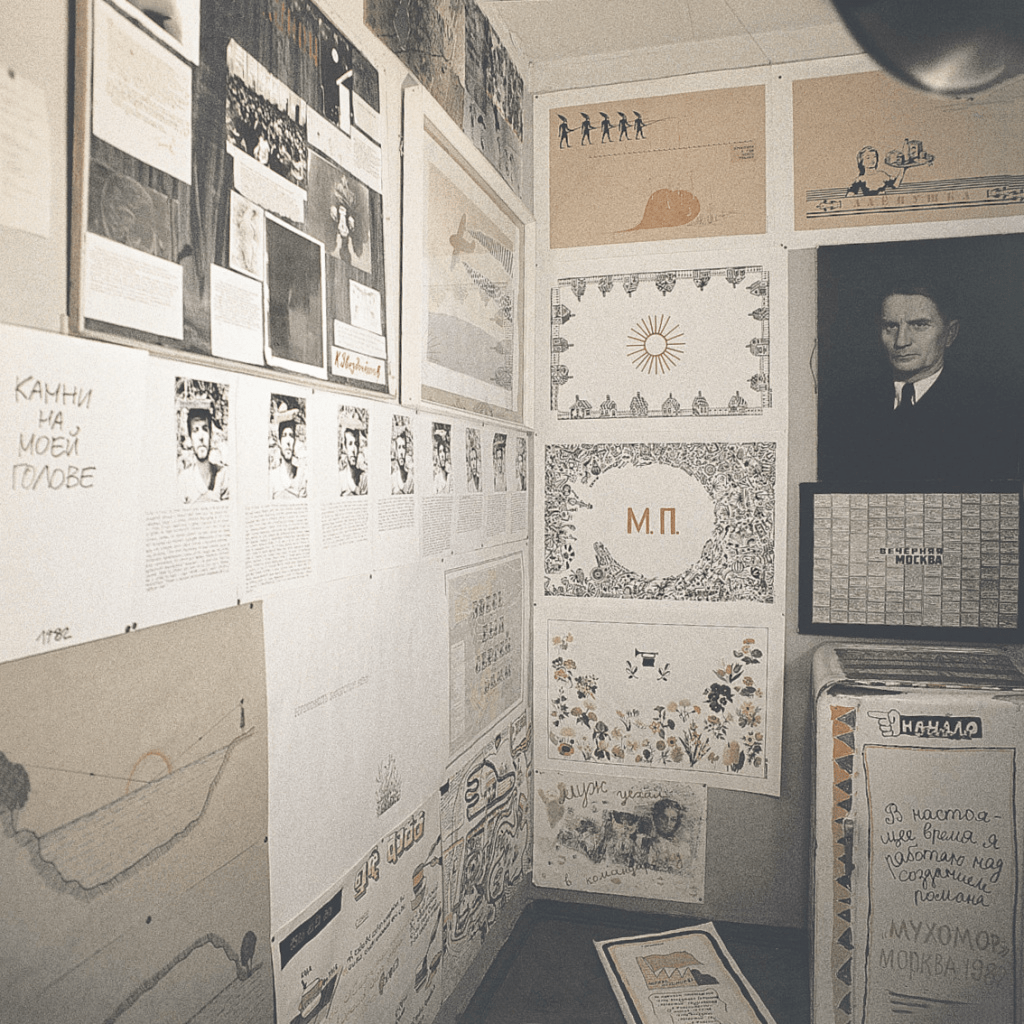
Art exhibitions in the apartments was a tradition born in the Soviet Union, when public cultural life was strictly regulated by the state. People would open their apartments – private spaces for public events – exhibitions and concerts. Apt Art transformed private apartment spaces into public spaces where socially important issues are debated.
I was friends with Nikita Alekseev in Paris and in Moscow, who coined the term APTART, as well as some of the artists at Moscow and St. Petersburg’s unofficial art scene. I was younger than most of them and I was immediately struck by the closeness of their community. It was a circle of friends, with no less strict hierarchy and ideological censorship than the Party Obkoms or soviet exhibition’s committees. Only they were cheerful, educated and brave, unlike the bourgeois and conformist Soviet art officials. Can apartment exhibitions, which by definition exhibit art (i.e. something in common) in the *super-private space of the exhibition organizer’s life, be really open? And should they be? By creating our own apartment shows with neighbors and friends at **Rowley Way, I would hope for experimentation and dialogue that goes beyond our circle of friends.
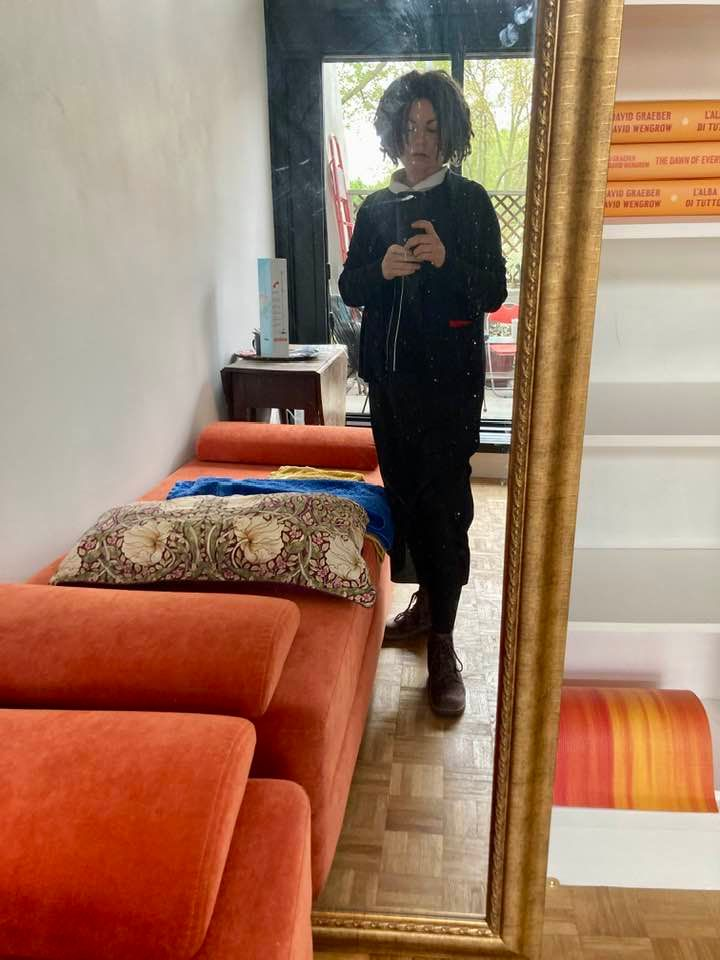
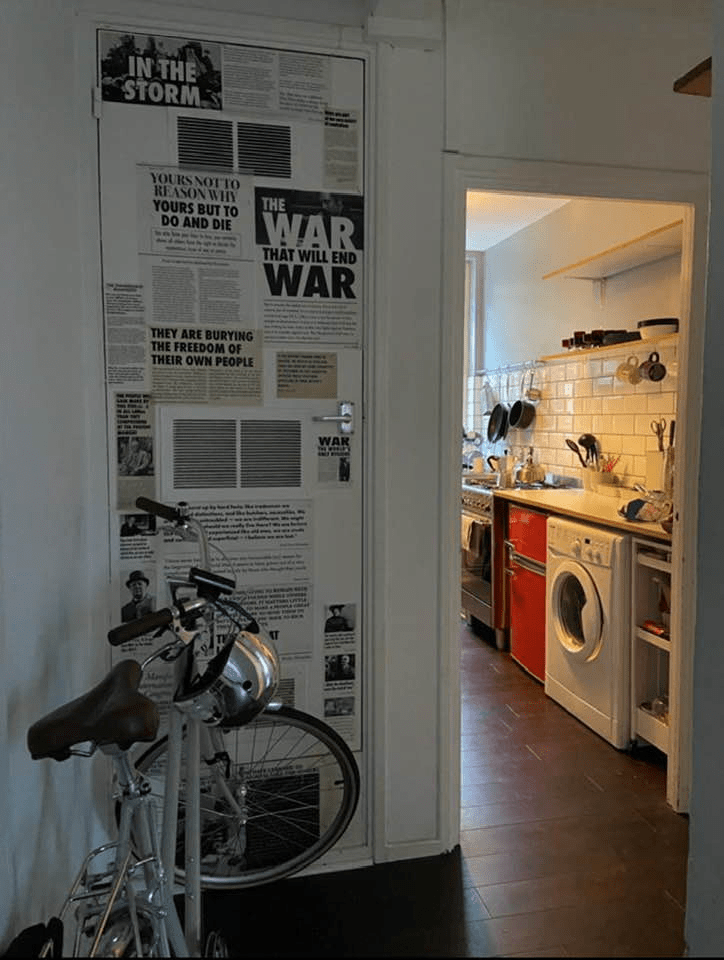
rowley way for opening of aptart and david graeber institute
We already live in a different (so far) more open world and would be happy to come up with a way that, in the form of digital copies, collaborative video screenings, and zooms, can connect apartment shows from different countries into one network.
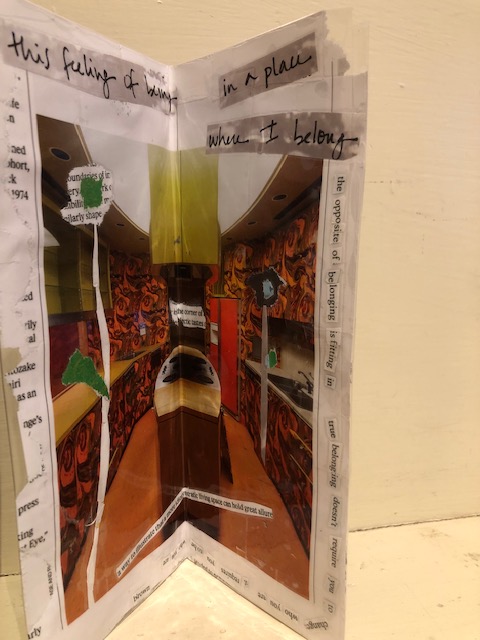
how do i hide: brown belonging law: the opposite of belonging.. is fitting in.. true belonging doesn’t require you to change who you are.. it requires you to be who you are.. and that’s vulnerable.. –Brené Brown
I plan to make an APTART exhibition dedicated to playgrounds next year, as the most relevant public art project of our time.
Looking for a co-curator.
For the infinite amount of time I spent in playgrounds while my children played, I have made many of my own and became both the admirer and hater of many existing in different countries.
A playground amazingly captures the hopes and despair of modern society—perhaps far more than any other public art (public art project), because it requires less resources to build it and it implies immediate use.
In Russia, in the 90s, my little daughter played on a platform dangling with advertisements of cheap yoghurts, and in New York, 2000s, my son played on a playground consisting mostly of safety specifications. A little later in Berlin, he was spinning the steering wheel of a pirate ship on a crazy beautiful platform built in a Turkish area by some enthusiasts who seem to have escaped any limitations and building codes
I, too, have my own dreams, sketches and descriptions of playgrounds, and I look forward to doing an APTART exhibition that focuses on perhaps the most important public art of our time.







 be you.