graeber pamphlet ness
david graeber pamphlet ness
from dgi site [https://davidgraeber.institute/david-graeber-archive/care-and-freedom-a-series-of-pamphlets/]:
Pamphlets before social media: why David Graeber’s work belongs in the oldest and most subversive publishing format there is.
As the preacher Cotton Mather himself warned in alarm in his diary entry of 24 September 1713, “the Minds and Manners of many People about the Countrey are much corrupted, by foolish Songs and Ballads, which the Hawkers and Pedlars carry into all parts of the Countrey.” He was describing—and fearing—the new democratic medium of cheap, portable pamphlets, broadsides, and ballad sheets that bypassed administrative control and the pulpit, flooding the colonies with popular print.
This same format later proved revolutionary when Thomas Paine weaponized it with Common Sense in 1776 to ignite American independence. At that time, pamphlets played the role of our social media platforms before algorithms were introduced to muzzle and maim them. Thomas Paine, Jonathan Swift, Mary Wollstonecraft, and George Orwell used pamphlets to shape public debate and common sense in France, Britain, and America. It is possible, that today, they would run accounts on social media with hundreds of thousands of followers across the globe.
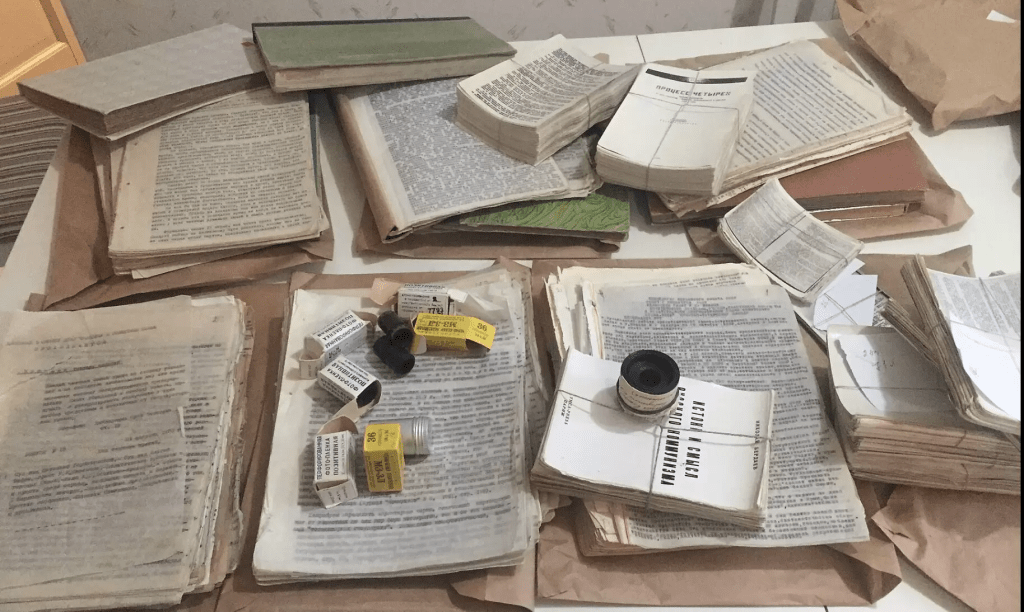
Many cultures have similar media: the Russian lubok — colorful broadside prints sold by wandering peddlers, later transformed into revolutionary leaflets and proclamations. One of my favourite poets, Vladimir Mayakovsky, turned to the pamphlet-like format of agitprop posters and ROSTA windows to reach the masses with poetry and politics after the Russian Revolution. In the Soviet era, the torch passed to samizdat — self-published, hand-copied texts that bypassed state censorship, much like the forbidden English broadsides of the seventeenth century. David Graeber was part of the same tradition. He was not after the “final product” — a book, a conference, or a dissertation, though his were always brilliant — but those were never his goal.
David lived in constant dialogue on social media, in endless messenger chats, giving countless interviews. I met him as a young foreign journalist in NYC in the early 2000s, and he happily agreed to meet with me the next day when I asked for an interview. And I was not the only one who found him that open.
So I thought that the pamphlet format would suit him the best. He developed his texts at the intersection of poetry, scholarship, and activism, never afraid to ask the big questions and to work on what Immanuel Wallerstein called the real revolution: changing how we live together and what we consider “common sense”.
Each pamphlet will focus on one of the issues that David kept returning to across different formats, picking up the thread of work left as notes, drafts, and research materials. The pamphlets bring back out-of-print texts, scattered across journals and difficult to access, or, in some cases, previously unpublished, including diary excerpts with commentary. Each pamphlet includes an introduction by the people who continue his legacy.
First three volumes:
Poetic Technologies David thinking about imagination, bureaucracy, and how capitalism narrows what we can imagine for the future.
What About Academia? His writing on academic life—analysis mixed with anthropology and personal experience.
Social Currencies What money has meant throughout history, in David’s words.
Plus 12 more pamphlets coming.
One I’m especially excited about right now: a short book on political pleasures. Why does it feel good to forget yourself, trust a group, let others think and decide? And how do authoritarian movements capture those pleasures—or how can democratic practice reclaim them? It’s built from David’s essays, talks, interviews, and field notes, following him as he thinks aloud about meetings, consensus, leadership, value, and democracy as collective problem-solving.
_______
______
______
______
_______
_______
________